
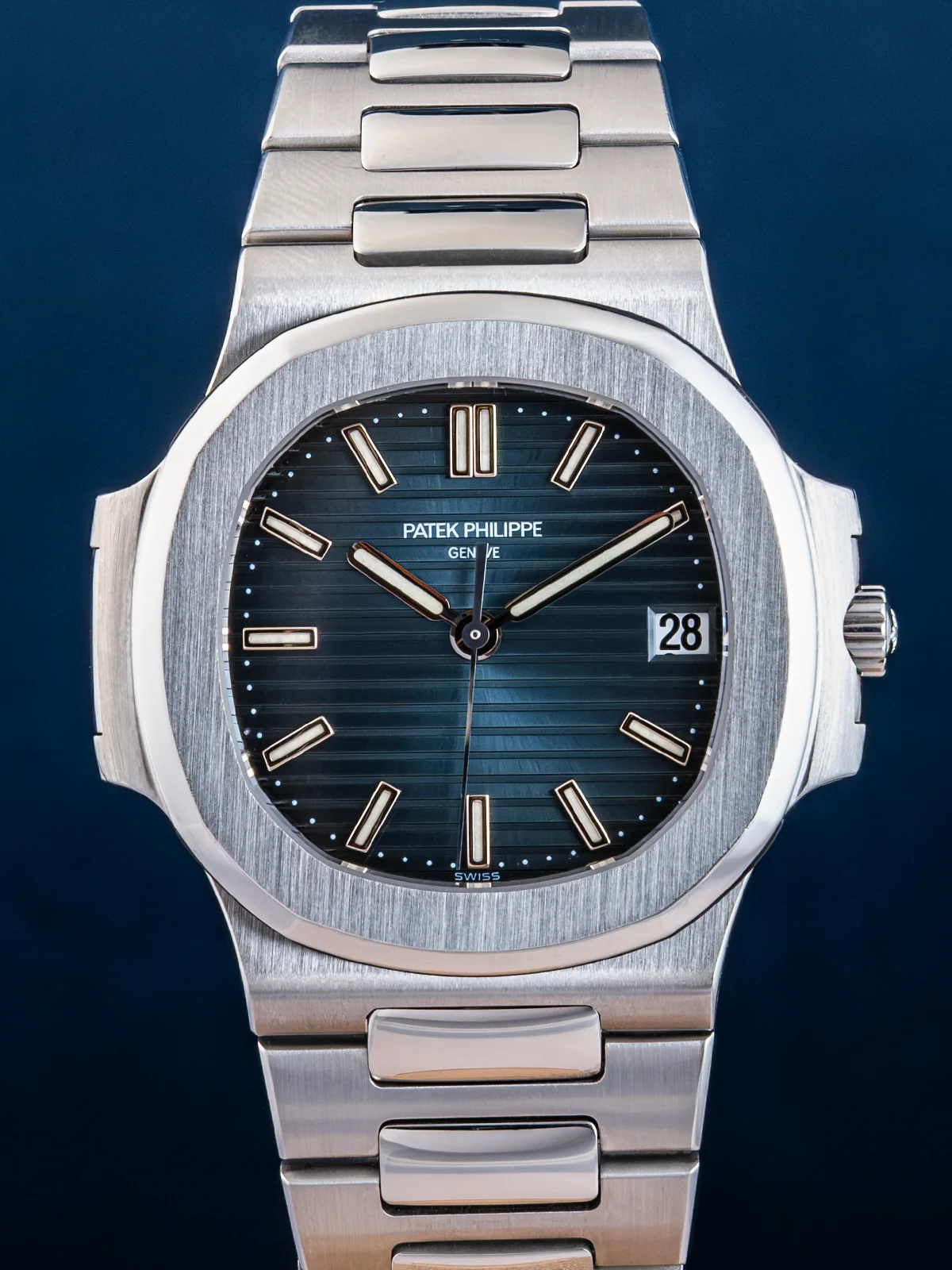
Is an older watch automatically worth more?
No. Many watches were produced in substantial numbers, and age does not create demand by itself. Buyers first identify the reference and then look at the traits that distinguish the individual piece.
A younger example of a desirable reference can be worth more than a much older watch from a less sought-after collection.
Why does the production period matter?
Manufacturers can change dials, bezels, movements, bracelets, cases and packaging during a reference’s production. Collectors may prefer a particular period or transitional configuration.
Serial ranges and paperwork can support dating, but they must be consistent with the physical watch. A date estimate alone does not authenticate it.
How should vintage condition be judged?
Age-consistent wear can be acceptable, while corrosion, moisture damage, an altered dial or an over-polished case can have a larger effect. A watch should be assessed against what is realistic for its period rather than expected to look newly manufactured.
Do not refinish an older watch before assessment. Preserving its current surfaces and components gives the buyer more reliable evidence.
What should an age-based submission include?
Send the complete reference if known, dial and case photographs, caseback and clasp details, paperwork, service records and any removed original components. Mention how long the watch has been owned and what parts are known to have changed.
That evidence helps separate meaningful age and provenance from a simple production-year claim.
Guide content is general information. A direct-purchase quote is based on the details and photographs you provide. If a material difference is found, we contact you before any change is made.