
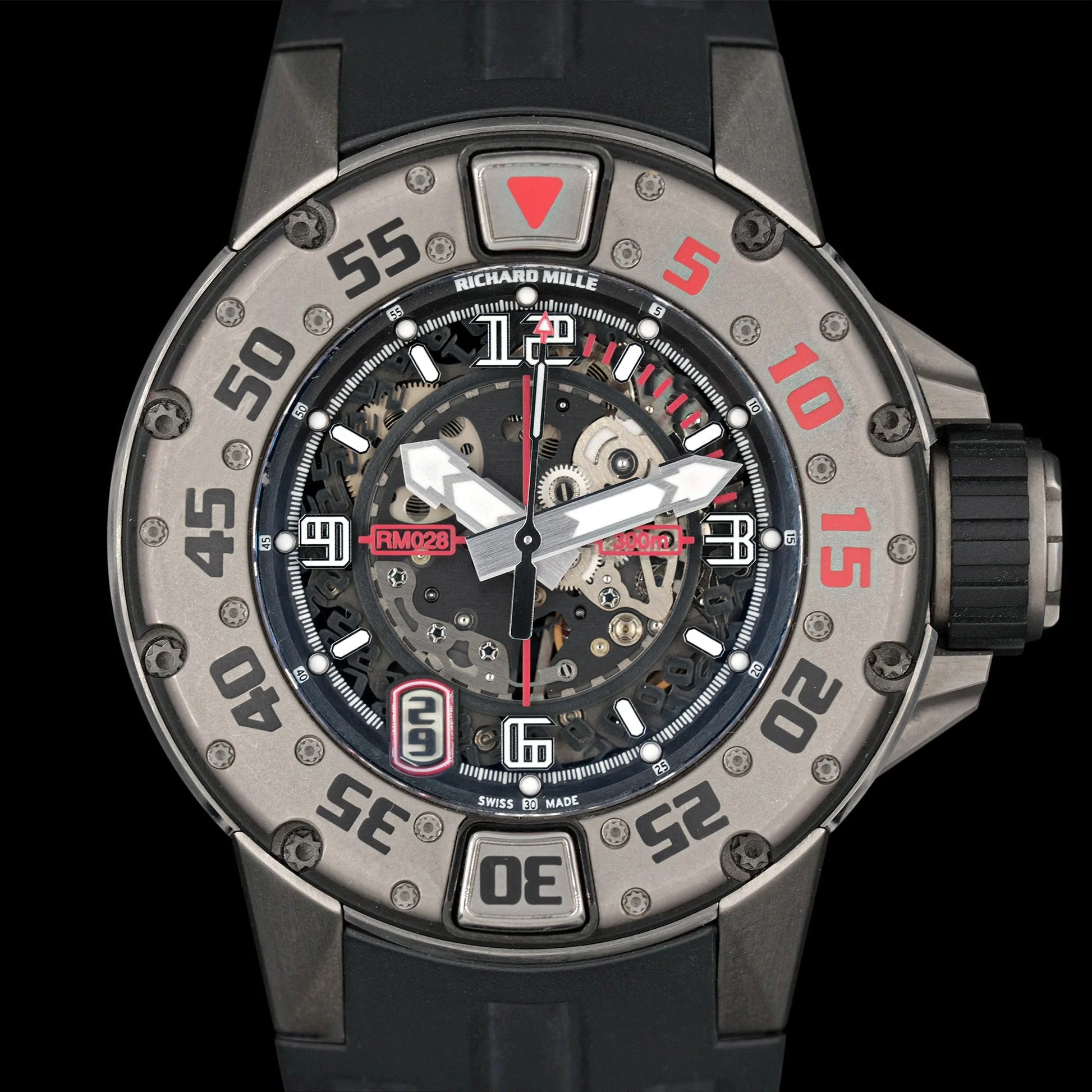
Identity comes first
The assessor establishes the claimed brand, collection, reference, production period, case material, dial, bezel, bracelet or strap and movement type. Visible details are compared for consistency rather than judged in isolation.
A genuine reference number on copied paperwork does not authenticate the watch itself, and a correct-looking dial does not verify the movement inside.
External construction and finishing
Case proportions, engravings, fonts, surface finishes, bezel action, crown, pushers, crystal, bracelet, clasp and hardware can all provide evidence. The expected details differ by reference and production period, so generic checklists have limits.
Heavy polishing, aftermarket components and repairs can make assessment more complex even when the base watch is genuine.
Dial, hands and components
The dial layout, printing, lume, date display, hands and applied markers are examined for consistency. Replacement service parts may be genuine manufacturer components but not original to the watch as first sold.
That distinction matters: authenticity asks whether components are genuine; originality asks whether they are the correct period components for that individual watch.
Movement and function
Where appropriate, a trained professional may examine the movement, calibre markings, construction, finishing and function. Opening a watch carries risk and should not be attempted by a seller simply to create valuation photographs.
Timekeeping, power reserve, winding, setting and complications may also be checked. Water resistance requires suitable pressure testing and should never be assumed from appearance.
Documentation supports the watch
Warranty papers, service records, receipts and archive extracts can support provenance and identification. Serial and reference details should be consistent with the physical piece.
After acceptance, routine authentication and ownership checks confirm the watch and its records before payment. If a material difference is found, the team contacts you before any change is made.
Guide content is general information. A direct-purchase quote is based on the details and photographs you provide. If a material difference is found, we contact you before any change is made.