
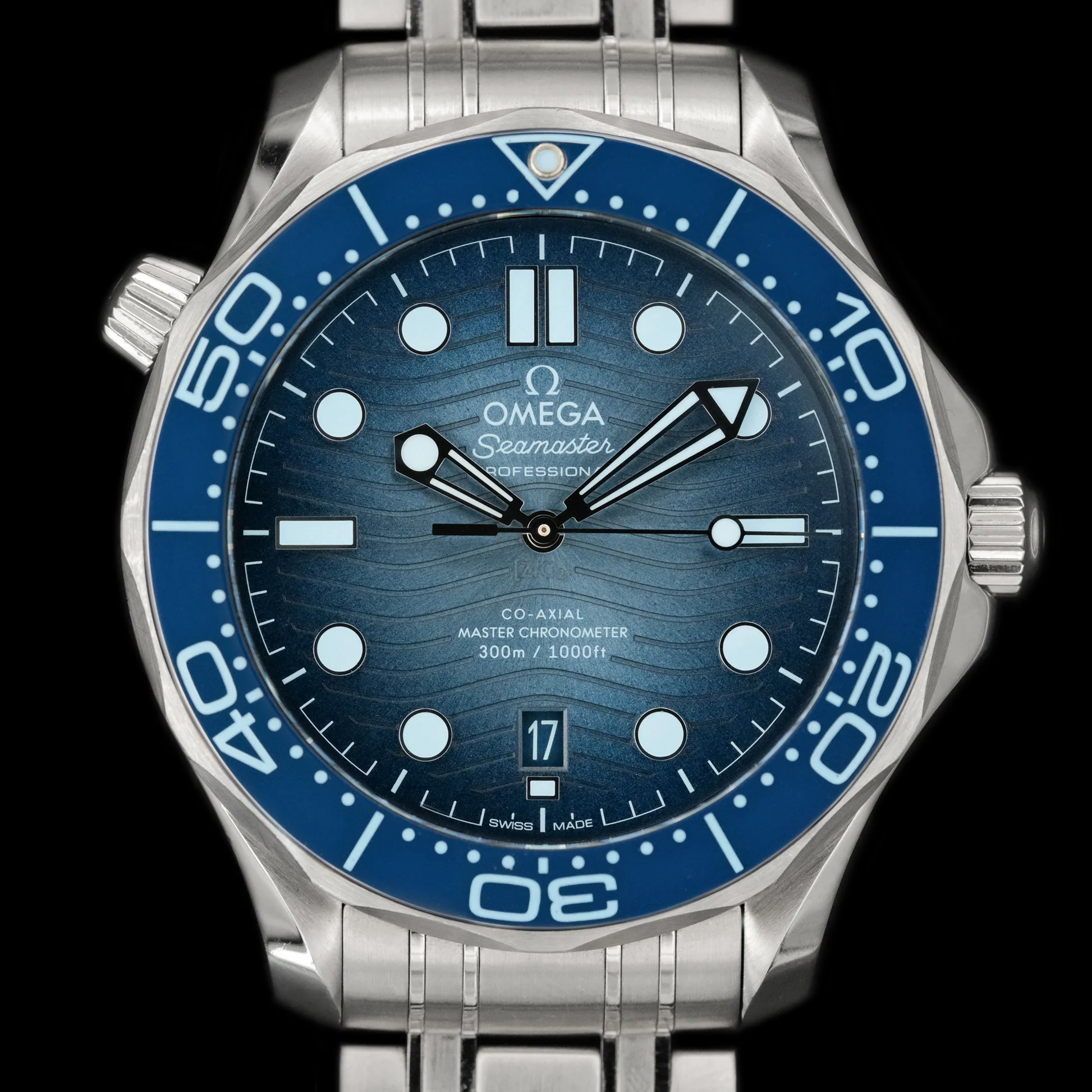
Identify the period and reference
Begin with dial text, caseback marks, bracelet or clasp codes and any service or purchase documents. Small differences in dial printing, bezel type, case metal or movement can separate references that look similar from a distance.
Do not open the case or remove the bracelet merely to find a number. A specialist can first work from safe external photographs and advise whether further examination is needed.
Originality is not the same as condition
A watch can be genuinely made by the brand but contain later service parts. Conversely, an age-marked original dial may be more desirable than a cleaner replacement on a collectible reference.
Describe what you know about the dial, hands, crown, bezel, crystal, bracelet and movement. Do not claim a component is original solely because it has been on the watch for a long time.
Preserve provenance and old parts
Receipts, photographs, presentation engravings, service invoices and family history can help explain a watch’s past. Keep replaced bezels, hands, crowns, straps and other returned parts even if they appear worn.
Provenance is strongest when it can be supported. A story may prompt useful research, but documentation and the physical watch still need to agree.
Choose the sale process carefully
Vintage watches often need more examination than modern pieces. The online quote is based on the submitted details and photographs, while routine checks confirm authenticity, condition and function after acceptance.
A direct sale is one transaction between you and the buyer. Confirm the handover, ownership records and payment process before the watch changes hands.
Guide content is general information. A direct-purchase quote is based on the details and photographs you provide. If a material difference is found, we contact you before any change is made.