
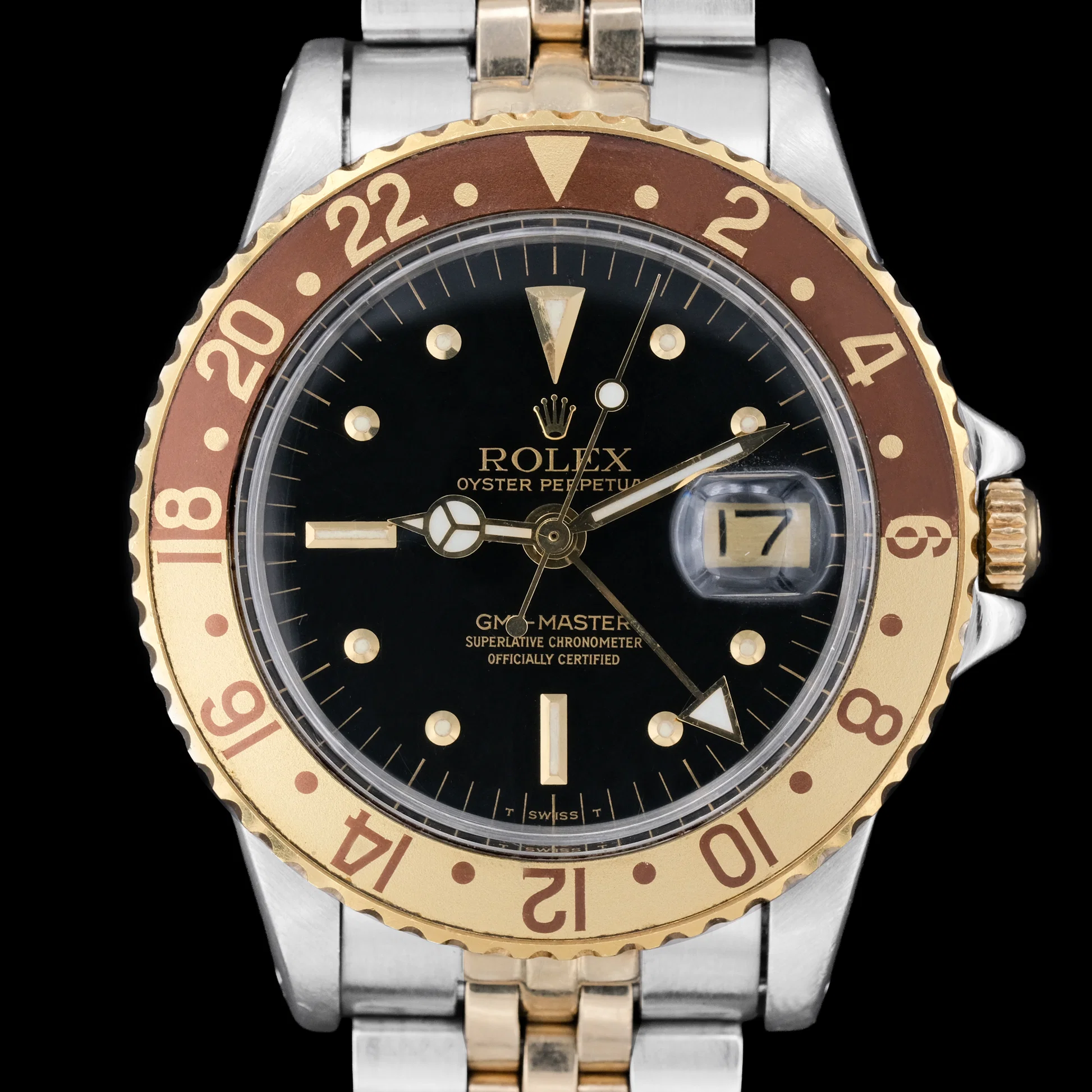
Reference number versus serial number
The reference number is shared by watches of the same model or configuration. It can encode collection, case material, movement or dial details depending on the manufacturer. The serial number is intended to be unique to the individual watch and may assist with production-period or service checks.
Neither number alone proves authenticity. Counterfeit watches can carry copied or invented markings.
Common places to look
Depending on the brand and age, reference information may appear on the caseback, between the lugs, on the rehaut, inside the case, on a warranty card or on a service document. Bracelet and clasp numbers may identify those components rather than the complete watch.
Never remove the caseback or bracelet solely to find a number unless you have the correct tools and experience. Damage caused during removal can cost more than the information helps.
- Warranty card or certificate
- Caseback engraving
- Rehaut or area between the lugs
- Service invoice
- Clasp or bracelet markings
What if the number is missing or unclear?
Submit the watch with clear dial, case, caseback and clasp photographs. A specialist may narrow down the model using visible design and movement details. A missing or altered number can require further investigation and may prevent a direct offer until the watch is inspected.
Use the reference to improve your valuation
Once identified, compare only the same reference and configuration. Similar-looking watches can have different metals, sizes, movements or production periods. The reference turns a broad estimate into a more relevant assessment.
Guide content is general information. A direct-purchase quote is based on the details and photographs you provide. If a material difference is found, we contact you before any change is made.