
Build a simple collection list
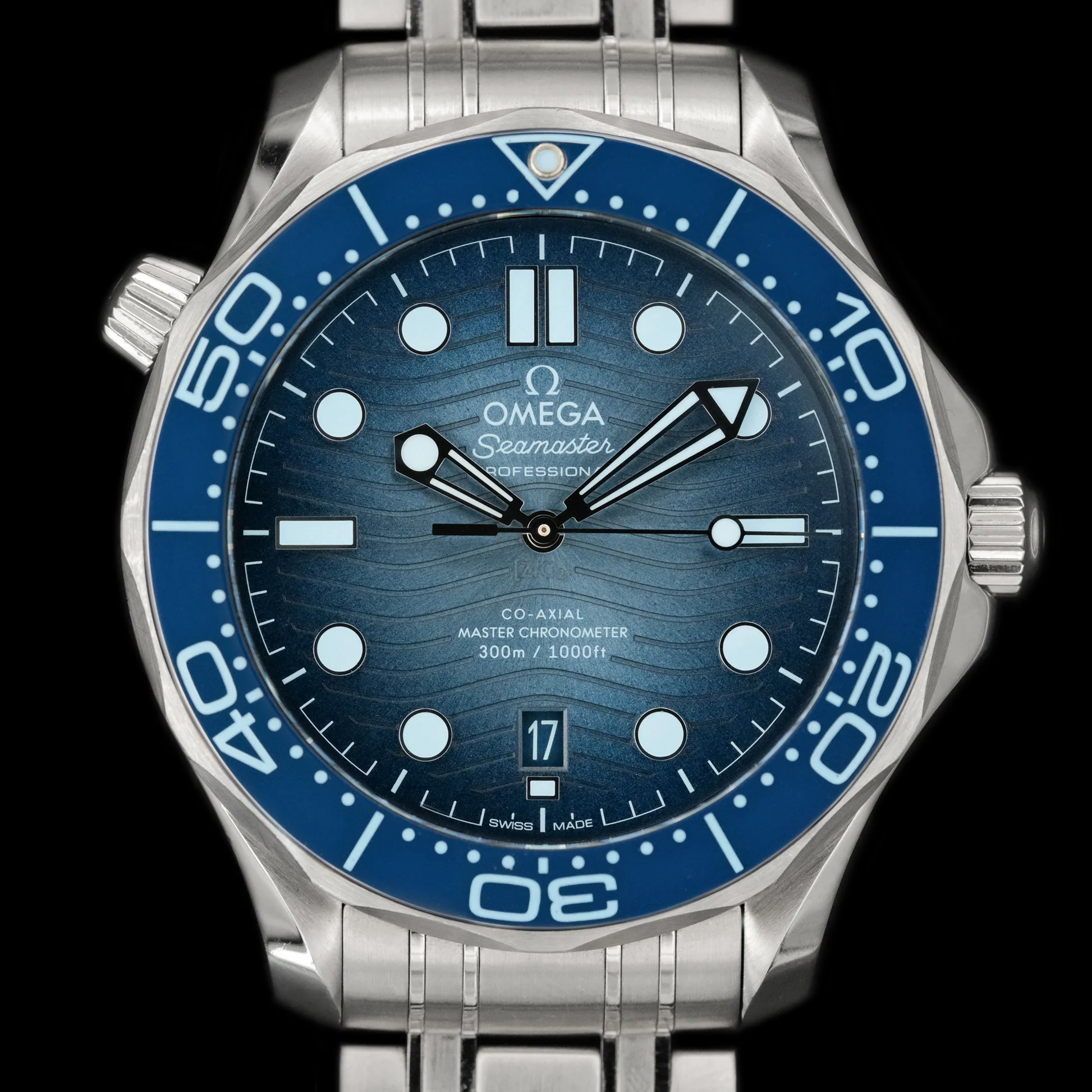
Give each watch a short identifier and record its brand, model, reference, approximate year, condition and known service history. Add a front photograph so the written record cannot be confused with another similar piece.
You do not need a professional catalogue. A consistent list and sharp photographs are enough to begin, and unknown references can be identified during review.
Separate boxes, papers and parts
Match warranty cards, service invoices, spare links, straps, buckles and boxes to the correct watch before an inspection. Serial and reference details should be shared privately rather than displayed in a public collection photograph.
Use labelled pouches or trays for loose components. A valuable link or clasp can be difficult to reassign once accessories from several watches are combined.
Assessment remains watch by watch
A collection is not valued by multiplying an average price. Demand, originality, condition and completeness can vary widely even where several watches share a brand.
Ask for an itemised outcome so you can understand and accept or decline each part. A buyer may be interested in some pieces and not others without requiring the collection to be split publicly.
Plan a secure inspection
Do not transport or send an entire collection until the buyer has confirmed what should be inspected and how the handover will work. Record what leaves your possession and retain photographs of the complete group.
For suitable interstate submissions, Lost Watches may arrange DHL collection case by case after agreement. Any transit cover is confirmed in writing. Never send a watch until the team has given you direct instructions.
Guide content is general information. A direct-purchase quote is based on the details and photographs you provide. If a material difference is found, we contact you before any change is made.