
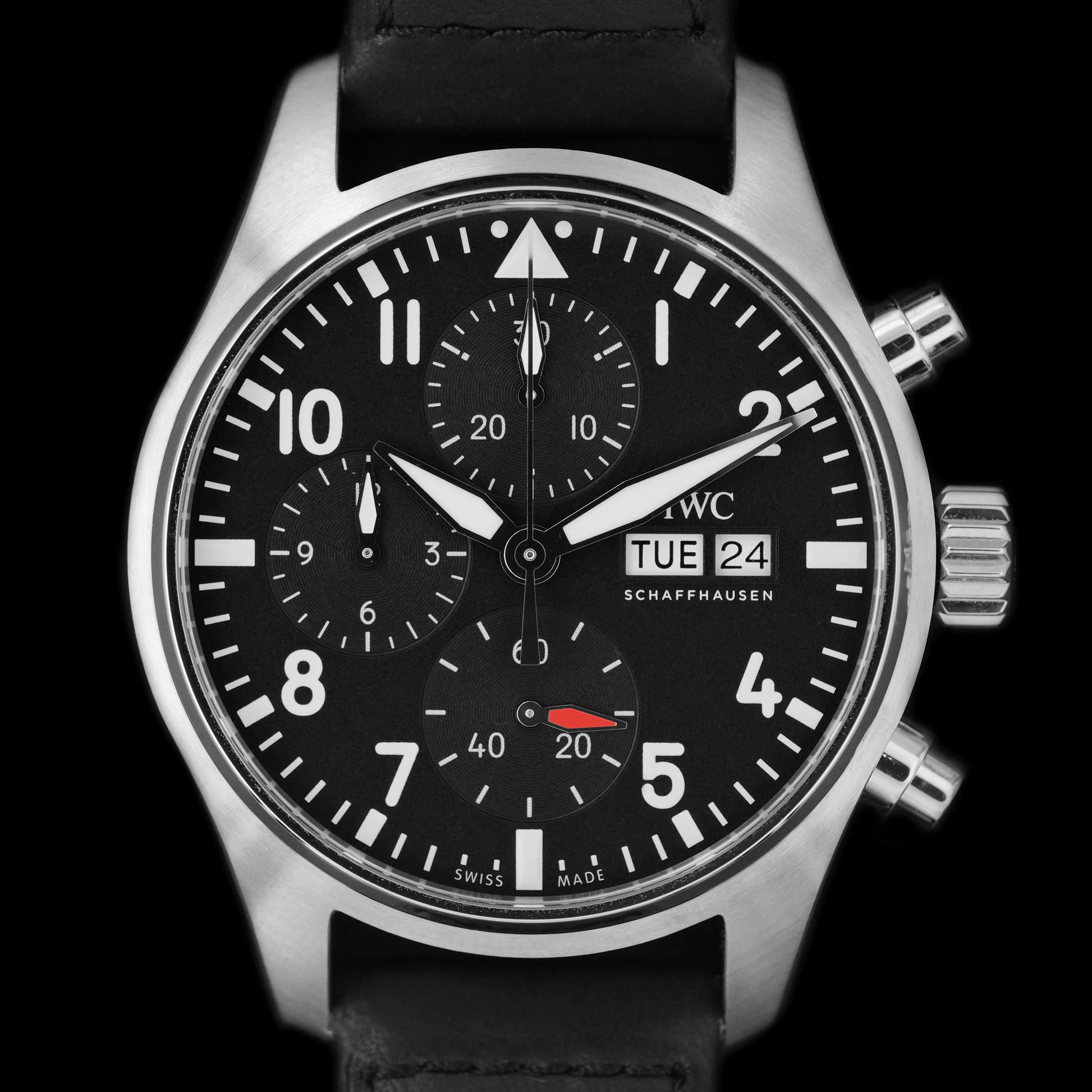
Asking price and sale price are different
A marketplace listing shows what a seller hopes to receive. It does not show whether the watch sold, how long it remained listed, whether the price was negotiated or what fees were paid after the transaction.
Useful comparisons are recent and like-for-like: the same reference, metal, dial, approximate age, condition and level of completeness. A rare configuration and a common version from the same collection should not be treated as equivalent.
What a direct buyer must account for
A professional buyer commits funds before a future owner is found. Authentication, insured handling, servicing, refinishing where appropriate, warranty exposure, payment costs and the time the watch may remain unsold all affect the purchase decision.
The spread is not a universal percentage. A liquid modern model in strong condition may be assessed differently from a complicated, damaged or slow-moving reference.
Why condition changes the comparison
Online photographs may not show every detail of polishing, bracelet wear, crystal damage, replacement components or mechanical faults. Boxes and papers may also be described loosely or may not match the individual watch.
A buyer bases the quote on the seller’s information and photographs, followed by routine verification after acceptance. If a material difference appears, it should be explained before anything changes.
How to judge whether an offer is reasonable
Ask what reference and condition the quote assumes and what happens after acceptance. Compare the certainty and work involved as well as the headline amount.
A direct sale exchanges some potential private-sale upside for speed, privacy and one accountable counterparty. The right route depends on which of those factors matters most to you.
Guide content is general information. A direct-purchase quote is based on the details and photographs you provide. If a material difference is found, we contact you before any change is made.